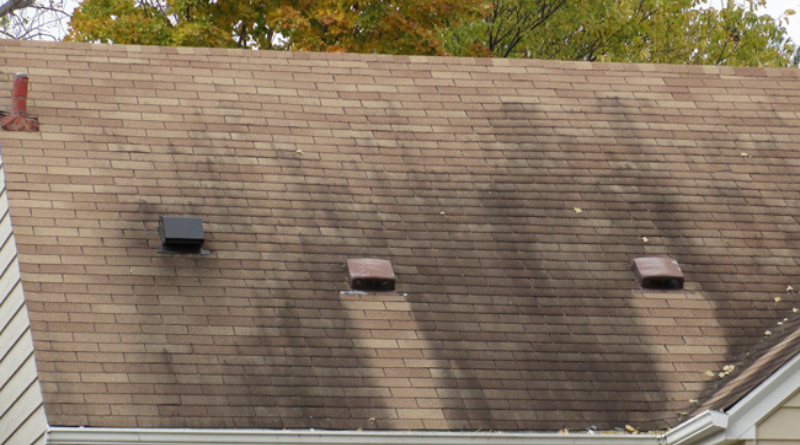
If you look up at your roof and see dark streaks or black patches, you may wonder what is going on. Many homeowners ask this same question, and even a pest control company in Sammamish hears about it when people think the stains might be caused by bugs or moisture. While the rest of your roof may look fine, those black marks can be a sign that something is not right. When roof stains are ignored, they can shorten the life of your roof, lead to leaks, and make your home look older than it really is.
Black shingles should never be brushed off as “just dirt.” They almost always have a cause, and knowing what that cause is helps you decide what to do next.
Here are the 8 most common reasons roof shingles turn black and what each one means for your home.
1. Algae Growth
The most common reason shingles turn black is a type of algae that spreads across the roof. It starts when tiny algae spores land on your shingles and begin to grow, especially in shady or damp areas. The stains run down the roof in streaks as rainwater moves the algae.
How to spot it:
Smooth, dark lines with no raised texture.
What helps:
A gentle roof cleaning and adding zinc or copper strips near the top of the roof.
2. Mold or Mildew
If your attic holds too much heat or moisture, mold or mildew can form under your shingles. These dark stains often spread in patches instead of lines.
What causes it:
Warm, damp air, poor ventilation, or small roof leaks.
Why it matters:
Mold can weaken roofing materials and sometimes cause a musty smell inside your home.
3. Moss or Lichen Growth
Moss has a fuzzy, raised texture, while lichen forms crusty patches. Both hold moisture against your shingles, which can cause damage.
Warning signs:
Green or dark clumps that lift or curl the edges of shingles.
Prevention:
Trim trees, remove debris, and keep the roof dry.
4. Aging Shingles and Asphalt Bleeding
As shingles get old, the asphalt inside them can rise to the surface. This creates shiny black streaks that look like algae but feel sticky or slick.
Why does it happen:
Heat, age, or weak shingle materials.
What to do:
Old shingles showing this problem often need replacing.
5. Poor Attic Ventilation
A roof needs airflow to stay healthy. Without it, heat and moisture build up, causing shingles to darken and wear out faster.
Signs:
Dark stains near the roof peak, hot attic temperatures, or condensation inside.
Fix:
Clear or add vents so air can move in and out freely.
6. Tree Debris and Organic Staining
Leaves, pollen, sap, and fallen branches can stain shingles over time. Shade from trees also keeps your roof damp, which encourages algae and mold.
Prevention:
Trim branches, clean your roof and gutters, and let sunlight reach the surface.
7. Water Damage or Leaks
If shingles look black in one spot instead of streaks, water may be trapped under that area. This often comes with indoor clues like ceiling stains or a damp smell.
Action:
Have the roof inspected right away so leaks do not spread.
8. Airborne Pollution or Dust
In some neighborhoods, soot, dust, or pollution settles on shingles and creates dark areas. This is mostly cosmetic, but it still affects curb appeal.
Solution:
A gentle cleaning usually removes these stains.
Final Thoughts
Black shingles can come from many sources, but almost all of them deserve attention. Some issues are simple to clean, while others point to deeper problems. Regular roof checks, good ventilation, and keeping your roof clear of debris can help stop black stains before they begin.
If the stains return again and again, or if you think moisture is sneaking into your attic, it’s time for a professional roof inspection to protect your home.
Read Also: tips decoradyard