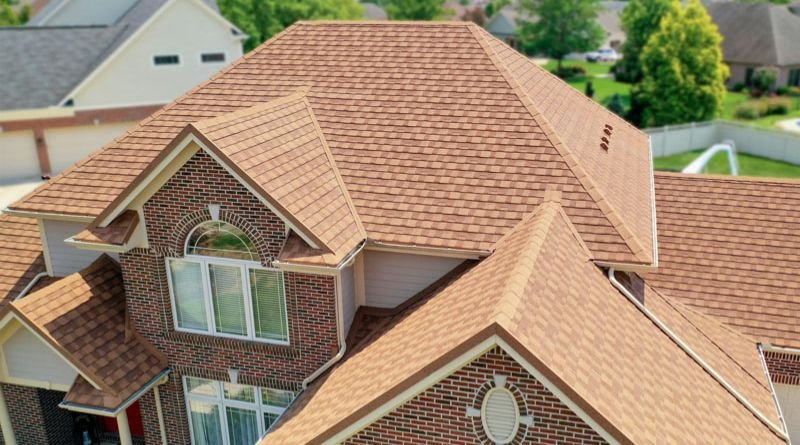
Did you know the angle of your roof can change how much it costs, what materials you can use, and how long it lasts? A roofing company calls this angle the roof pitch. Roof pitch tells you how many inches the roof rises for every 12 inches across. For example, a 6/12 roof pitch rises 6 inches for every 12 inches of length. Roof pitch matters because it affects water flow, snow build-up, safety for workers, and even the look of your home.
What Is Roof Pitch?
Roof pitch is just a way to measure how steep or flat a roof is.
- Low-slope roofs look almost flat.
- Medium-slope roofs are the most common on homes.
- Steep roofs look tall and pointy.
Steeper roofs help water and snow slide off faster. Flatter roofs hold water longer, so they need stronger waterproofing to stop leaks.
How Roof Pitch Changes Roofing Costs
Your roof pitch can raise or lower the price of a roof project.
Steeper roofs usually cost more
That’s because they need:
- More roofing material
- Extra safety gear for workers
- More time and labor
- Special tools or supports
Even a small change in pitch can add cost because the roof’s surface area grows as the slope gets steeper. It also takes longer to work safely on a tall roof.
Lower-slope roofs may cost less at first
But they often need:
- Strong waterproof layers
- Extra sealing
- More frequent inspections
So while the price might be lower at the start, long-term care may cost more.
How Roof Pitch Affects Roofing Materials
Not every material works on every roof slope. Using the wrong one can cause leaks, damage, and early roof failure.
Low-slope roofs (below about 3/12)
These roofs need materials made to stop standing water, such as:
- Rubber roofing (EPDM)
- TPO or PVC membrane
- Built-up roofing
Regular shingles are not a good fit here because water can seep under them.
Medium-slope roofs (about 4/12 to 9/12)
This is the most common roof pitch on homes. Good choices include:
- Asphalt shingles
- Metal roofing
- Wood shake
- Clay or concrete tile
These materials shed water well when the slope is high enough.
Steep-slope roofs (9/12 and above)
These roofs need secure and durable roofing, such as:
- Metal panels
- Architectural shingles
They must handle wind and storms without loosening or slipping.
Most roofing products have minimum pitch rules. If the roof is too flat for that material, the warranty may not apply.
How Roof Pitch Changes Roof Lifespan
Roof pitch plays a big role in how long a roof lasts.
Steeper roofs often last longer
This is because they:
- Shed water faster
- Hold less snow and debris
- Dry more quickly
This lowers the chance of leaks and rot.
Low-slope roofs need more care
Because water moves slowly, they must be:
- Well-sealed
- Checked often
- Kept clean
Good maintenance helps them last longer.
How Roof Pitch Impacts Long-Term Value
Sometimes a steeper roof costs more up front, but it may last longer and need fewer repairs. That can save money over time.
Flatter roofs may cost less to install but need more attention and sealing.
So the best choice depends on:
- Your budget
- Your climate
- Your home style
- The materials you like
Final Thoughts
Roof pitch affects almost everything about your roof cost, materials, and lifespan. Steeper roofs shed water better but cost more to install. Flatter roofs need strong waterproofing and more care.
Choosing the right roof pitch and matching material helps protect your home for many years. Understanding roof pitch gives you the power to make smart choices that keep your home safe, dry, and strong.