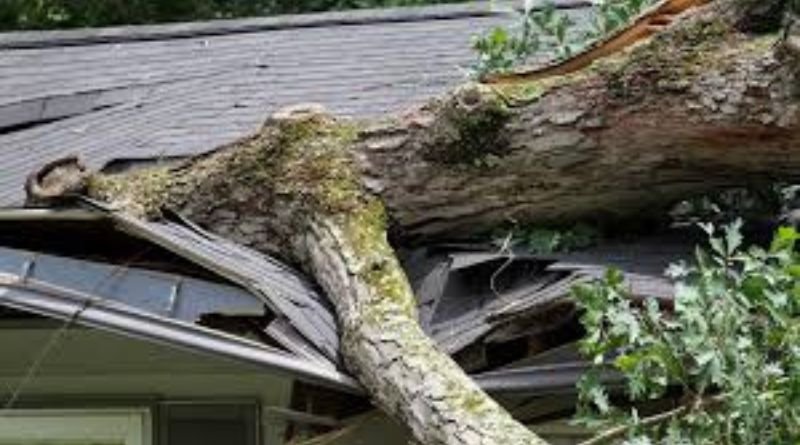
Storms can be scary and loud, and they can damage siding in just a few minutes. Strong wind, heavy rain, and hail can hit your home hard and leave marks, cracks, or even missing pieces. Your siding is like a shield for your house, and when it is hurt, water, bugs, and cold air can get inside. That can lead to bigger problems if it is not fixed. Knowing what to do right after a storm can help keep your home safe and save you money later.
Step 1: Look for Signs of Damage
When the storm is over, and it is safe to go outside, take a slow walk around your house. Look at your siding from the ground. You do not need to climb on ladders to spot most problems.
Watch for things like cracks, holes, loose or missing panels, dents from hail, bent boards, or pieces of siding on the ground. If you see mud or dirt on the siding, rinse it off with a hose. Sometimes it is just messy, not broken. But if marks or cracks stay after cleaning, then you likely have real damage.
Step 2: Check for Water Problems
Some damage is easy to see, but some hides behind the siding. Water can sneak in through tiny cracks and cause trouble inside your walls.
Look for soft or swollen spots on the siding. Watch for bubbling paint, peeling spots, dark stains, or musty smells. These signs mean water may be trapped, and that can lead to mold or rot if it is not fixed soon.
Step 3: Clean Off Debris
After a storm, leaves, branches, and dirt often stick to your siding. This mess can hold moisture and make damage worse.
Use a hose to gently wash off the siding. A soft brush and mild soap can help with stuck dirt. Be careful not to scrub too hard because you do not want to break the siding more. Make sure to clear out anything stuck between panels so water can dry out.
Step 4: Secure Loose Siding
Loose siding can flap in the wind and pull away even more. That lets rain get inside.
If you see small loose pieces, gently press them back into place. You can also use plastic or tape to cover open spots for a short time. If there are big gaps, a tarp can help block rain until repairs are done. These are only temporary fixes, but they help protect your home for now.
Step 5: Decide If It Needs Repair or Replacement
Not all siding problems are the same. Small cracks, scratches, or dents can often be filled, sealed, or repainted. Bigger problems like missing panels, deep cracks, or broken boards usually need new pieces put in.
If your siding is old and already worn out, replacing it may be the smarter choice. New siding will last longer and protect your home better.
Step 6: Take Photos for Insurance
If the storm caused a lot of damage, insurance may help pay for repairs. Before fixing anything, take clear photos of every damaged area. Take wide shots and close-up pictures. Write down the date of the storm too. This makes it easier to show what happened.
Step 7: Get a Professional Check
Some problems are hidden and hard to see. A trained expert can look behind the siding and find water, mold, or insulation damage. This helps catch small issues before they turn into big, costly repairs.
Step 8: Think About Stronger Siding
If you need new siding, this is a good time to think about stronger options. Some types of siding are made to handle storms better and do not crack as easily. Choosing tougher siding can help protect your home in the future.
Step 9: Make Your Home More Storm Ready
You can lower the chance of damage next time by trimming tree branches near your home, cleaning gutters, and checking your siding often. Fixing small issues early keeps them from turning into big problems.
Step 10: Do Not Wait
Waiting to fix siding can let water, bugs, and cold air inside. Fast action keeps your home dry, safe, and strong.
Final Thoughts
Storms are part of life, but serious home damage does not have to be. By checking your siding, cleaning it, covering damaged spots, and getting help when needed, you protect your home and your family. Taking care of your siding right after a storm helps keep your house safe, warm, and looking good for many years.