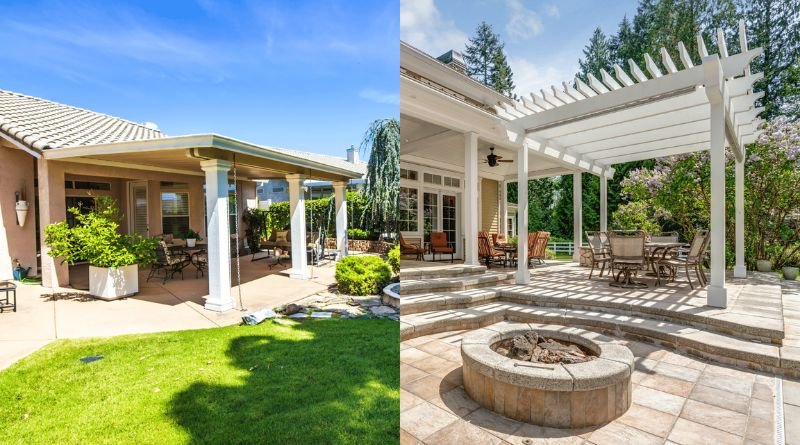
Outdoor living spaces have become an essential extension of the modern home. Homeowners today are no longer satisfied with just a simple backyard; they want functional, stylish, and comfortable outdoor areas that can be used for relaxing, entertaining, and even working from home. Two of the most popular structures people consider are covered patios and pergolas. While they may seem similar at first glance, they serve different purposes and offer distinct benefits depending on your lifestyle, climate, and long-term goals.
If you’re comparing these options and trying to decide which is right for your home, understanding the real differences can save you time, money, and future frustration. Let’s break it down clearly so you can make a confident decision.
What Is a Covered Patio and Why Do Homeowners Choose It?
A covered patio is typically an extension of your home’s structure. It has a solid roof that provides full protection from sun, rain, and other weather elements. In many cases, the roof is either attached directly to the house or designed to match the home’s existing roofline, making it feel like a natural continuation of the interior space.
Homeowners often choose covered patios because they want dependable, year-round usability. With a solid roof overhead, you can comfortably place outdoor furniture, TVs, ceiling fans, lighting, and even heaters without worrying about sudden weather changes. This makes covered patios ideal for families who frequently host gatherings or want an outdoor space that functions almost like an additional room.
Another major advantage is durability. Covered patios are usually built with long-lasting materials such as aluminum, wood with protective finishes, or composite systems designed to withstand harsh weather. Because of this, many people searching for patio contractors near me are often looking for professionals who can design a structure that not only looks good but also meets local building codes and lasts for decades.
What Exactly Is a Pergola and What Makes It Unique?
A pergola is a freestanding or attached outdoor structure with an open or semi-open roof design. Instead of a solid roof, pergolas use slatted beams or louvers that allow sunlight and air to pass through. This creates a light, airy atmosphere that feels more connected to nature.
Pergolas are often chosen for their aesthetic appeal. They add architectural interest to a backyard, garden, or pool area and can be customized with climbing plants, retractable canopies, or adjustable louvers. While traditional pergolas offer partial shade rather than full coverage, modern designs now include motorized louvers that can be adjusted to control sunlight and ventilation.
Many homeowners work with experienced pergola builders to create a custom look that enhances their landscaping and complements the home’s style. Pergolas are especially popular in regions with mild climates, where full weather protection is less of a priority and outdoor living is more about ambiance and airflow.
How Does Weather Protection Differ Between a Covered Patio and a Pergola?
One of the biggest differences between these two structures is how they handle weather. A covered patio offers complete protection from rain and strong sunlight. This means you can use the space even during heavy rain or intense summer heat without worrying about furniture damage or discomfort.
Pergolas, on the other hand, provide partial protection. The slatted roof allows sunlight to filter through, which can be pleasant during cooler times of the day but less ideal during peak heat. Rain can also pass through unless additional coverings are installed. Some homeowners choose pergolas with retractable fabric covers or adjustable louvers to improve weather control, but these features often increase the overall cost.
Your local climate plays a major role here. In areas with frequent rain, snow, or extreme heat, a covered patio is often the more practical choice. In drier, temperate regions, pergolas can offer enough shade while maintaining a more open feel.
Which Option Adds More Value to Your Home?
Both covered patios and pergolas can increase property value, but they do so in different ways. A covered patio is often seen as a functional upgrade, similar to adding usable square footage. Because it offers year-round usability and protection, many buyers view it as a premium feature that enhances everyday living.
Pergolas tend to boost curb appeal and outdoor aesthetics. They create a visually appealing focal point and can make a backyard feel more inviting. While they may not offer the same level of functionality as a covered patio, a well-designed pergola can still positively impact resale value, especially when integrated with landscaping and outdoor amenities.
Ultimately, the value added depends on quality of construction and how well the structure fits the overall property. This is why working with skilled patio contractors near me or experienced pergola builders is crucial for achieving long-term value rather than just short-term appeal.
How Do Design and Customization Options Compare?
Covered patios are highly customizable, but within certain structural limits. Since they often attach to the home, the design typically aligns with the existing architecture. This creates a cohesive look, but it may limit more dramatic design choices. However, homeowners can still customize finishes, lighting, ceiling treatments, and even enclosures like screens or glass panels.
Pergolas offer more design flexibility. From minimalist modern styles to rustic wooden designs, pergolas can be tailored to match almost any aesthetic. They can stand alone in a garden, frame a walkway, or define a seating area without enclosing it. This flexibility makes pergolas a favorite for homeowners who prioritize style and outdoor ambiance.
What About Maintenance and Longevity?
Maintenance requirements vary depending on materials used, but generally, covered patios require less ongoing upkeep. Their solid roofs protect the structure itself, reducing exposure to sun and moisture. This often results in fewer repairs over time.
Pergolas, especially those made from wood, may require more maintenance. Exposure to sun, rain, and humidity can lead to fading, warping, or rot if not properly sealed and maintained. Modern materials like aluminum or vinyl reduce these concerns, but they can change the overall look and feel of the pergola.
Longevity also depends on professional installation. Hiring reputable pergola builders or patio contractors near me ensures the structure is built to withstand local environmental conditions and meets safety standards.
Which One Is Right for Your Lifestyle?
Choosing between a covered patio and a pergola ultimately comes down to how you plan to use the space. If you envision hosting dinner parties, watching outdoor movies, or relaxing regardless of the weather, a covered patio is likely the better fit. It offers comfort, protection, and versatility that supports frequent use.
If your goal is to enhance your backyard’s visual appeal, create a relaxing retreat, or enjoy filtered sunlight and fresh air, a pergola may be the perfect solution. Pergolas shine when the focus is on atmosphere rather than full weather protection.
Many homeowners also combine both options, using a covered patio near the house for daily use and a pergola further into the yard for visual interest and occasional relaxation.
FAQsWhat is cheaper to build, a covered patio or a pergola?
Pergolas are generally less expensive to build because they require fewer materials and simpler construction. Covered patios usually cost more due to solid roofing, structural supports, and potential permitting requirements.
Do covered patios require permits?
In most cases, yes. Covered patios are considered permanent structures and often require permits to ensure compliance with local building codes. Pergolas may or may not require permits depending on size and attachment to the home.
Can a pergola be converted into a covered patio later?
In some cases, yes. Certain pergola designs allow for the addition of solid roofing or retractable covers. However, not all pergolas are structurally designed for this, so it’s important to plan ahead with professional pergola builders.
Which option is better for hot climates?
Covered patios are usually better for hot climates because they provide consistent shade and can support fans or cooling systems. Pergolas can still work in hot areas but may need additional shading features.
How do I choose the right contractor for my project?
Look for licensed, insured professionals with experience in outdoor structures. Whether you’re searching for patio contractors near me or specialized pergola builders, reviews, past projects, and clear communication are key indicators of quality work.
By understanding the differences between covered patios and pergolas, you can choose an outdoor structure that aligns with your needs, enhances your home, and delivers lasting enjoyment.